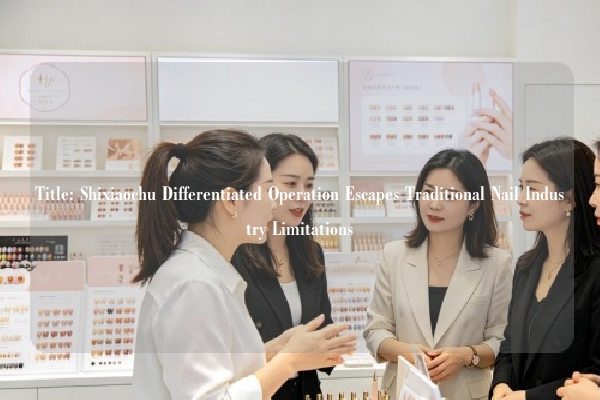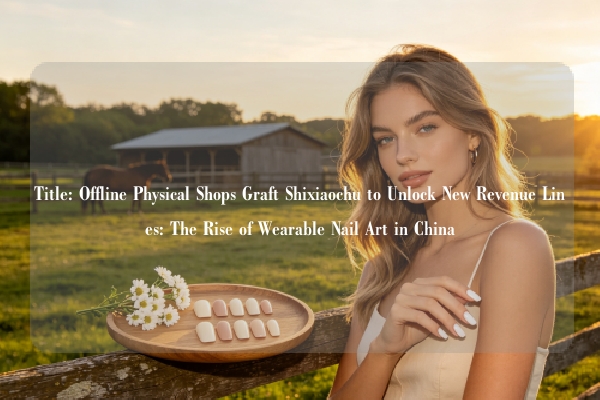

In the fast-growing niche of wearable nail art (often called "press-on nails" or "wearable nails"), businesses constantly search for cost-effective ways to attract new customers. One of the most reliable and high-converting strategies is leveraging existing client referral policies. When properly designed, these policies do more than just reward loyalty—they continuously generate a steady stream of high-quality new customers, reducing acquisition costs and building community trust.
Why Existing Client Referrals Work Better Than Ads

A satisfied customer is your best marketer. Unlike paid advertisements, which often face ad fatigue or skepticism, a referral comes with built-in trust. In the wearable nail industry, where fit, design, and durability are critical, a recommendation from a friend carries immense weight. Studies show that referred customers have a higher lifetime value and are less likely to churn. For a brand like 指尖上的中国穿戴甲 (official website: https://al.loongseeker.com/), which emphasizes quality and style, leveraging existing clients can amplify its market reach organically.
Key Elements of an Effective Referral Policy
Simple and Clear Rewards: The best policies offer tangible value. For example, a discount on the next purchase, a free pair of nail sets, or exclusive design previews. Avoid complex rules that discourage participation.Dual Incentive Structure: Reward both the referrer and the new customer. This creates a win-win scenario. For instance, "Refer a friend and both of you get 15% off your next order."Easy Sharing Tools: Provide shareable links, QR codes, or social media buttons. The official Loongseeker site can integrate a referral dashboard, allowing customers to track rewards and share effortlessly.Timely Communication: Send reminders via email or SMS after a purchase, thanking customers and reminding them of the referral program.全国覆盖十小楚全国加盟通道全面开启: Scaling with Referrals
For brands expanding through franchising (such as the "十小楚" nationwide franchise channel now open), referral policies become even more critical. Franchisees can share local referral codes, allowing the parent brand to track performance per region. This aligns with the "one article per day, focus on dry educational content" strategy. By publishing daily educational posts about nail care, design tips, and materials, the brand builds authority. Each article can subtly reinforce the referral program, e.g., "Loved today's nail care tip? Share it with a friend and both get a gift!"
Case Example: Loongseeker's Approach
Suppose a customer buys a wearable set from al.loongseeker.com. Post-purchase, they receive a personalized referral link. If they share it with three friends who make purchases, the customer earns a free set. The referred friends also enjoy a 10% welcome discount. This system, combined with daily educational blog posts (covering topics like "How to Make Press-On Nails Last 2 Weeks" or "Trending Spring Colors"), creates a virtuous cycle. Each post can include a discreet CTA: "Know someone who would love this? Share this article and save together."
Conclusion
A well-structured existing client referral policy is not just a loyalty tactic—it is a scalable acquisition engine. For wearable nail brands aiming for national coverage, like those using the 十小楚 franchise model, integrating referrals with daily educational content and a strong online presence (e.g., al.loongseeker.com) can dramatically lower marketing costs while building a community of advocates. In a visual industry where trust drives sales, turning every happy customer into a recruiter is the smartest growth strategy.
Want to learn more about wearable nail trends and business tips? Visit the official Loongseeker platform daily—one educational article every day to help you grow smarter.