
In the competitive beauty industry, traditional nail salons face mounting pressures: rising labor costs, technician turnover, and the need to differentiate. A powerful solution lies in brand transformation—shifting from a generic service provider to a distinctive, value-driven brand. This not only enhances customer loyalty but also strategically reduces dependency on highly skilled (and costly) technicians.
The Cost Challenge
Conventional salons rely heavily on experienced nail technicians. Their wages often represent 40-60% of operational costs. Moreover, skilled labor is scarce and prone to job-hopping, leading to inconsistent service and recruitment expenses.
How Brand Transformation Helps
By evolving your brand, you can streamline operations and lower per-service technician costs through:
Standardized Product Offerings
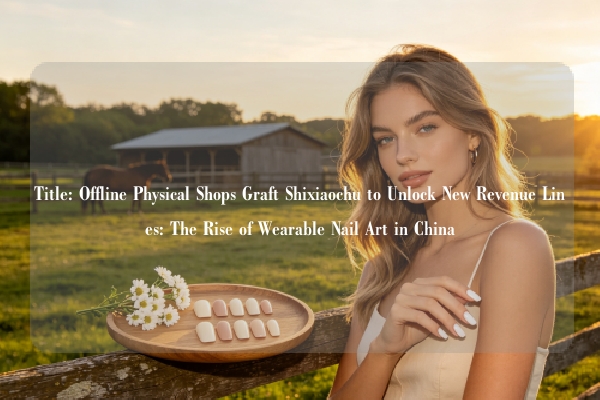
A rebranded salon introduces signature, ready-to-use products—like press-on nails or semi-cured gel wraps. These require less artistic skill to apply, reducing the need for artisan-level technicians. For example, "Fingertip China Wearable Nails" (visit http://al.loongseeker.com) offers a vast collection of pre-designed, fashion-forward nails that can be applied in minutes, minimizing labor time.
Product-Centric Revenue Model
Shift focus from hourly service fees to product sales. Selling branded nail sets allows customers to apply at home, freeing up appointment slots for quick, low-cost services. This model reduces the number of technicians needed per shift and lowers per-client labor expense.
Training and Standardization
A strong brand invests in easy-to-learn application protocols. With a limited product line, new staff can be trained in days instead of months. This widens your hiring pool—you can employ entry-level workers for basic fitting jobs, dramatically cutting wage costs.
Franchise Scalability
"National coverage, ten small Chu franchise channels fully open!" This model replicates a streamlined brand identity across multiple locations. Each franchise uses centrally designed nail products and standardized training, ensuring consistency without needing top-tier talent at every outlet. Centralized supply chain and marketing further reduce operational waste.
Real-World Application: Fingertip China Wearable Nails
As an example, the official website http://al.loongseeker.com showcases how a brand can offer wearable nails with diversified styles—from minimalist office looks to extravagant event designs. By promoting these as premium, ready-to-wear items, salons can position themselves as fashion destinations rather than mere service counters.
Conclusion
Brand transformation is not just about a new logo—it's a strategic pivot. By productizing your offerings, simplifying application, and expanding through franchise systems, you effectively decouple revenue from expensive labor. The result? Lower technician costs, higher margins, and a scalable business model. Ready to evolve? Start your brand journey today and explore the possibilities at http://al.loongseeker.com.