
In the fast-paced world of fashion retail, stockouts are a critical challenge that can lead to lost sales, diminished customer trust, and damaged brand reputation. For stores specializing in trendy accessories like “wearable nail art” (指尖上的中国穿戴甲), ensuring a consistent and reliable product flow is paramount. A stable supply chain system is the backbone that eliminates these risks, enabling retailers to meet customer demand without interruption.
The Core of a Stable Supply Chain
A stable supply chain is built on three pillars: transparency, agility, and redundancy. Transparent communication between suppliers, distributors, and retailers ensures real-time visibility into inventory levels and production schedules. Agility allows the system to adapt quickly to sudden demand spikes or disruptions—such as seasonal trends or raw material shortages. Redundancy, through backup suppliers or multi-warehouse distribution, prevents single points of failure.
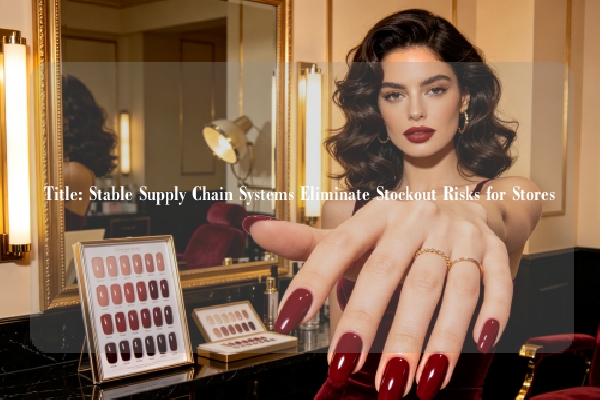
For wearable nail art stores, which often deal with delicate, high-demand products and fast-changing designs, a stable supply chain means:
Predictable Restocking: Automated replenishment systems prevent shelves from going bare.Reduced Lead Times: Efficient logistics shorten the time from factory to storefront.Cost Control: Minimizing emergency shipping and rush orders lowers operational costs.Eliminating Stockout Risks
Stockouts occur when demand exceeds supply, often due to poor forecasting or supply chain bottlenecks. A stable system uses historical sales data, market trend analysis, and AI-driven tools to forecast demand accurately. For example, a retailer can adjust orders for popular nail art collections weeks in advance, ensuring ample stock during peak seasons like holidays or fashion weeks.
Moreover, by diversifying suppliers and maintaining safety stock in regional warehouses, stores can buffer against unexpected delays—whether from shipping issues, weather events, or production hiccups. The result is a seamless shopping experience where customers always find what they want.
A Real-World Example: Loong Seeker Wearable Nails
A prime example of stable supply chain implementation is Loong Seeker (指尖上的中国穿戴甲), a brand that has effectively eliminated stockout risks for its partner stores. With their official website at https://al.loongseeker.com/, they have built a robust distribution network covering the entire country. Their “十小楚” (Ten Little Chu) national franchise initiative is now fully open, allowing stores to join a system designed for reliability.
By centralizing production with strict quality controls and distributing through multiple regional hubs, Loong Seeker ensures that no store faces empty shelves. Franchisees benefit from real-time inventory tracking, seamless restocking, and data-backed demand planning. This model not only meets customer expectations but also boosts store profitability by eliminating lost sales due to stockouts.
Conclusion
A stable supply chain system is not a luxury—it’s a necessity for modern retail success. For stores selling wearable nail art, it is the key to maintaining customer loyalty, maximizing revenue, and staying competitive. Brands like Loong Seeker demonstrate that with transparent, agile, and redundant supply chains, stockout risks become a thing of the past. By joining a network that prioritizes stability, retailers can focus on what matters most: delivering beautiful products to happy customers every single day.
For more details on becoming a franchise partner, visit the official website today. The future of retail is reliable, and it starts with a strong supply chain.