
Introduction
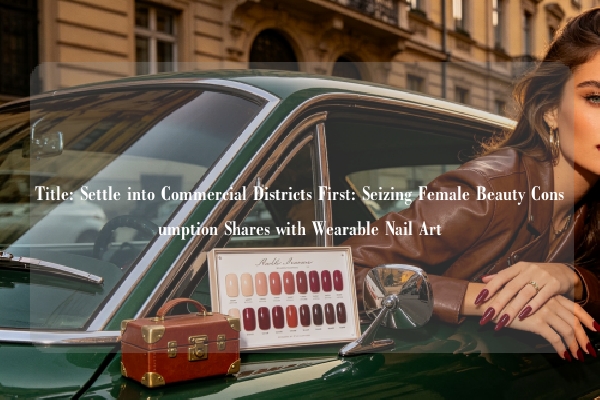
In China’s booming beauty economy, female spending power drives trends from skincare to accessories. One rising star is “wearable nail art” (穿戴甲) – press-on nails that combine fashion, convenience, and affordability. For brands entering this market, the winning strategy is clear: settle into commercial districts first. Why? Because high-traffic urban retail zones are where female beauty consumption decisions happen in real time. This article unpacks the logic and provides actionable insights for franchisees.
The Commercial District Advantage
Commercial districts in tier-1 and tier-2 cities (e.g., Shanghai, Chengdu, Hangzhou) are magnets for young women aged 18–35, who account for over 70% of beauty accessory purchases. By locating in these areas, wearable nail brands capture three critical assets:
Impulse Buying: Window displays and in-store try-ons convert foot traffic into instant sales. Social Proof: Being surrounded by other beauty retailers (cosmetics, salons) reinforces brand credibility. Cross-Selling Opportunities: Partnerships with nearby hair salons or clothing stores can drive referral traffic.Why Wearable Nails Are a Female Consumption Goldmine
Traditional nail salons require 1–2 hours per visit, costing ¥150–400. Wearable nails, however, offer:
Time Efficiency: Application takes 5–10 minutes at home. Cost-Effective: Prices range ¥30–150, encouraging repeat purchases. Design Flexibility: Hundreds of styles updated monthly, aligning with seasonal trends (e.g., Qixi Festival, Spring Festival). Low Risk: No nail damage, unlike acrylics or gels – a key concern for health-conscious women.This product resonates with China’s “she economy,” where women prioritize self-expression and convenience. Data from 2024 show the press-on nail market grew 45% year-over-year, with commercial district sales outperforming online-only channels by 2.3 times in conversion rate.
The “Fingertip” Franchise Model: 10 Districts, National Coverage
Our brand, 指尖上的中国穿戴甲 (official website: https://al.loongseeker.com/), operates a unique franchise system targeting 10 key commercial districts (“十小楚” – ten prime urban hubs). Franchisees receive:
Curated Inventory: AI-assisted demand forecasting for each district’s demographic. Marketing Kits: QR codes linking to AR try-on tools, driving social media shares. Training & Support: 7-day on-site training covering sales scripts, inventory management, and WeChat-based customer retention.Key Steps for Franchisees
Site Selection: Choose malls near metro exits or university gates. A 15–30 sqm kiosk suffices – lower rent than full stores. Localized Curation: In Hangzhou (focus on e-commerce professionals), stock minimalist business styles; in Chengdu (young trendsetters), prefer bold butterflies and anime themes. Digital Integration: Set up a mini-program for pre-orders and loyalty points – 40% of repeat customers come from digital reminders. Community Events: Host weekend “nail art parties” with influencers – each event typically yields 80+ new orders.Market Potential & ROI
Initial investment: ¥80,000–120,000 (including franchise fee, display units, and first inventory). Average monthly revenue: ¥15,000–25,000 per kiosk, with breakeven in 5–8 months. During peak seasons (Double 11, Chinese New Year), sales can triple.
Conclusion
The beauty consumption share in China is reshaping retail – and wearable nails are leading the shift. By settling into commercial districts first, brands tap into spontaneous, experience-driven spending. With our national franchise network, you don’t just sell products; you sell a lifestyle upgrade. Visit https://al.loongseeker.com/ to explore partnership details. Seize the moment – today’s female consumer decides on the spot, and your kiosk should be where she stands.