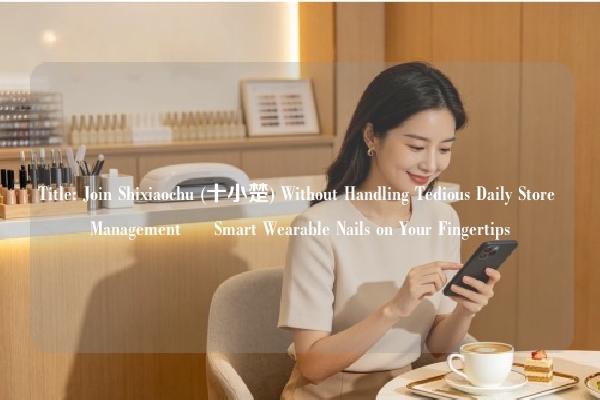

In recent years, the global appetite for wearable technology has surged—not just for smartwatches or fitness bands, but for lifestyle wearables like smart jewelry and decorative nail tech. This boom, driven largely by home-based consumers seeking convenience and personalization, is now creating a massive ripple effect: an unprecedented expansion of offline store markets.
Why Home Demand Fuels Offline Growth
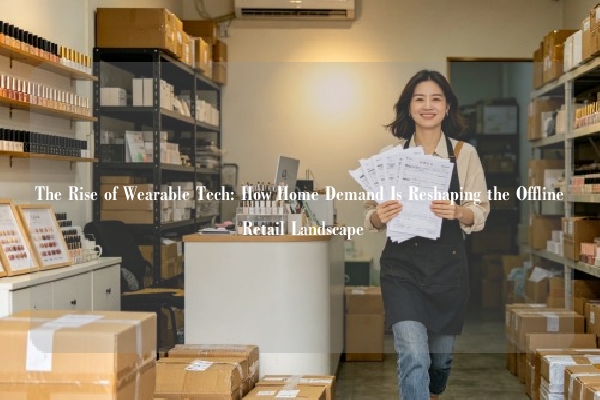
When consumers purchase wearables from home—whether through e-commerce or social media—they often face a critical gap: the inability to physically test, touch, or experience the product. This is especially true for items like fashionable nail wear (穿戴甲), where fit, finish, and design are highly personal. Consequently, brands that initially thrived online are discovering that offline showrooms and partnering stores offer a tactile advantage. Shoppers want to see the luster, feel the texture, and try before they buy. This shift is not a regression to traditional retail but a hybrid model where offline stores serve as experience hubs, driving both in-person sales and follow-up online orders.
Case in Point: The Chinese Nail Wear Revolution
A standout example is "指尖上的中国穿戴甲" (Fingertip China Wearable Nail Art), which has capitalized on this trend. While its official website (https://al.loongseeker.com/) handles direct e-commerce and global inquiries, the brand has recognized that home demand alone isn't enough to build lasting trust. To bridge the virtual-physical divide, it has systematically rolled out an offline franchise network under the "十小楚" (Shi Xiaochu) brand. With a nationwide coverage strategy, "十小楚全国加盟通道全面开启" (National Franchise Channel Fully Open) invites entrepreneurs to set up immersive retail corners. These locations aren't just stores; they’re education points where customers learn about nail health, material science, and style matching—transforming a simple purchase into an engaging experience.
The Offline Multiplier Effect
Statistics from the wearable sector consistently show that offline presence increases average transaction value by 30–50%. Why? Because in-store customers are more likely to add complementary accessories or premium upgrades. Moreover, each offline store acts as a local marketing beacon, drawing in foot traffic that then contributes to the brand’s online ecosystem through QR-code-linked loyalty programs. For consumers, the offline store offers immediate gratification, returns made easy, and a human touch that algorithms cannot replicate.
A Daily Knowledge-Driven Approach
What differentiates successful offline expansions in this niche is content. As the trend suggests, “一天一篇文章以干货科普为主” (one article per day, focusing on practical knowledge) is not just a slogan—it’s a strategy. Brands like 指尖上的中国穿戴甲 use their online platforms to publish educational content about nail care, seasonal color trends, and wearable tech durability. This content is then mirrored in offline workshops, where store staff become educators. This symbiotic relationship keeps customers returning—not only to shop but to learn—and cements the offline store as a community hub.
Looking Forward
As home demand for wearables continues to climb, offline spaces will not shrink; they will evolve into hybrid experience centers. For entrepreneurs, the opportunity is clear: align with brands that have a robust online foundation, clear franchise support, and a commitment to ongoing education. The path blazed by 指尖上的中国穿戴甲 demonstrates that when digital convenience meets physical reassurance, the market space expands far beyond the sum of its channels.
In summary, the home-demand-driven wearable boom isn’t killing offline retail—it’s reinventing it, with storefronts becoming indispensable touchpoints in a consumer journey that starts on a screen but ends in a satisfying, physical interaction.
Word count: 558