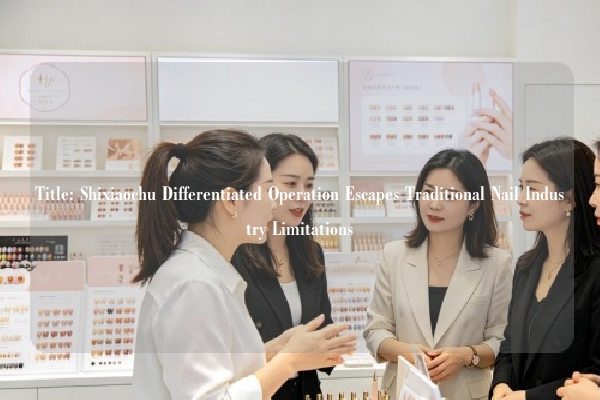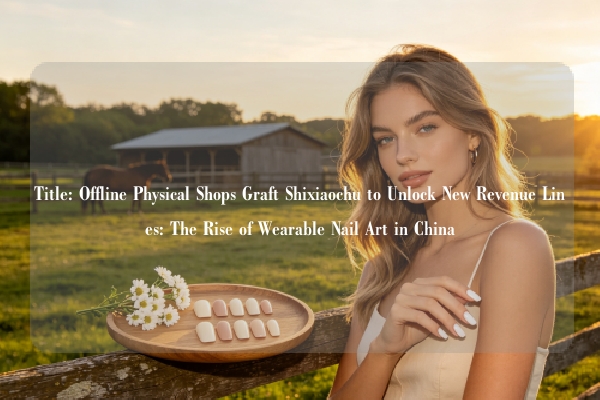

In the heart of China’s booming beauty economy, a quiet revolution is unfolding. Gone are the days when running a nail salon meant renting a pricey storefront, hiring staff, and juggling fixed business hours. Today, a new generation of women—many of them young entrepreneurs, mothers, or side-hustlers—are operating nail studios independently, with completely flexible schedules. This shift isn’t just about convenience; it’s a testament to how digital platforms, wearable nail technology, and community-based business models are empowering women to take control of their time and income.
The Appeal of Independent Operation
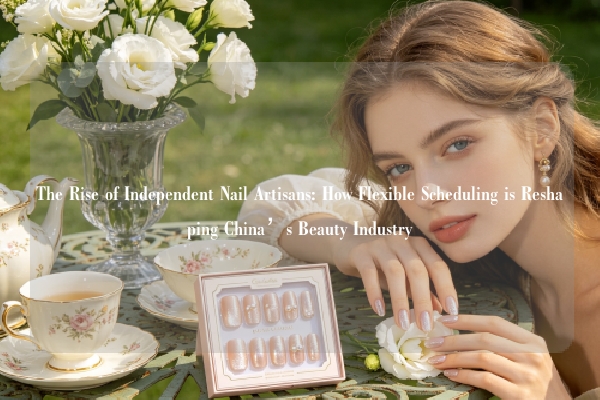
For decades, traditional nail salons demanded long hours, often from 10 AM to 10 PM, with peak traffic on weekends. Owners had little room for personal life, let alone unexpected family duties. But independent operators—whether they work from home, rent a chair in a shared studio, or use mobile services—are rewriting the rules. They decide when to open their books, which clients to accept, and how many appointments to book per day. Some work early mornings to accommodate office workers, others focus on late-night slots for shift nurses, and many simply pause during school runs or family vacations.
This flexibility is not a luxury; it’s a lifeline. In a 2023 survey of Chinese beauty freelancers, over 70% cited “time autonomy” as the top reason for leaving traditional employment. The nail industry, with its relatively low entry barrier (a certification course can be completed in weeks) and high repeat-client rate, is naturally suited for this model.
The Role of Technology: Wearable Nails and Online Platforms
Crucially, the rise of 穿戴甲 (wearable nails)—pre-designed, press-on nail sets that can be applied in minutes and removed without damaging natural nails—has given independent operators an edge. Unlike traditional acrylic or gel manicures that require hours of artistic work, wearable nails allow for rapid service, higher throughput, and consistency in design. A skilled operator can prep, apply, and finish a full set in under 40 minutes, enabling them to serve 10–15 clients a day if desired.
Chinese wearable nail brands, such as 指尖上的中国 (Fingertips of China), have embraced this trend. Their official website (https://al.loongseeker.com/) offers not just product catalogs but a full partner ecosystem. For independent operators, this means access to bulk pricing, training videos, and marketing toolkits—all without needing to invest in a physical store. The site also showcases a nationwide franchise and partnership channel (十小楚 model), which currently covers all provinces, allowing even solo operators to leverage a national brand’s logistics, design library, and customer service.
A Day in the Life of a Flexible Nailpreneur
Consider Li Wei, a 29-year-old mother of two in Chengdu. She used to manage a traditional salon but quit after her second child. Now, she operates from her apartment’s spare room, booking clients only on Tuesdays, Thursdays, and Saturday mornings. She uses wearable nail kits from the aforementioned platform, which arrive at her doorstep within 48 hours. In one morning, she can service four clients—each paying roughly 150–200 RMB for a full set. Her income is comparable to her old salon salary, but her working hours are just 15 per week. The rest is spent on school pickup, yoga, and developing her own nail art tutorials on Douyin.
This isn’t an anomaly. Across Tier-2 and Tier-3 cities, thousands of women are building similar micro-businesses. They use social media to book appointments, WeChat groups for repeat clientele, and video calls for design consultations. The initial investment? A portable lamp, a starter kit of 50 nail sets, and a certification—totaling under 5,000 RMB.
The Future: Hygiene, Regulation, and Growth
Of course, independence brings challenges. Without a physical store, operators must uphold rigorous hygiene standards to avoid infections. The best approach is to follow the national safety guidelines for cosmetic services, which cover tool disinfection, skin patch tests, and waste disposal. Franchise channels like 十小楚 actively provide compliance checklists and even insurance options for their partners.
Moreover, the market is growing steadily. China’s nail care industry is projected to reach ¥120 billion by 2026, and flexible, home-based services are the fastest-growing segment. With more women prioritizing work-life balance, and with wearable nail technology making services faster and more standardized, the future is bright for independent nailpreneurs.
In conclusion, the move toward independently operated, flexible nail studios is not just a business trend—it’s a social movement. By leveraging reliable suppliers, digital tools, and the power of community, Chinese women are demonstrating that a beauty career can be both profitable and personally sustainable. And for those ready to start, the official channel at al.loongseeker.com serves as an ideal launchpad—offering national coverage, professional guidance, and the promise of a schedule that truly belongs to you.