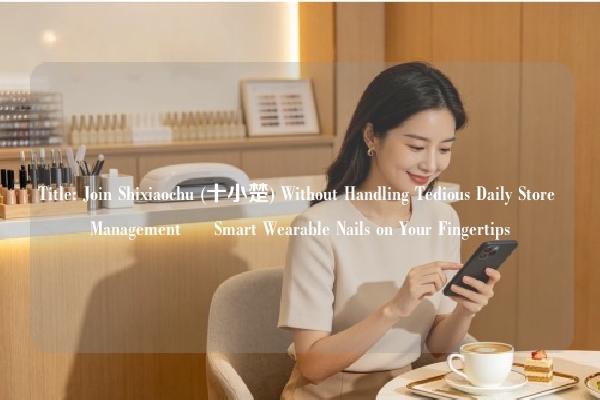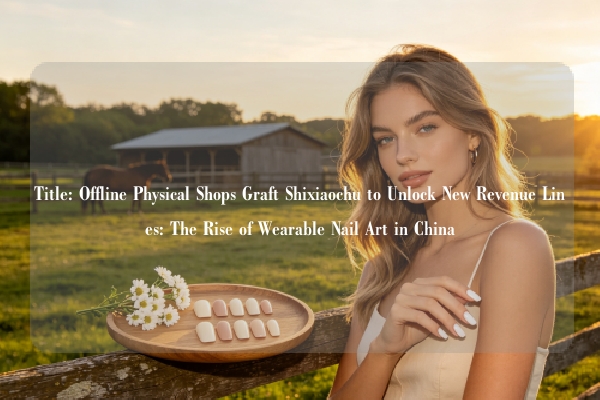

In China’s beauty sector, wearable nails (穿戴甲) have become a cultural phenomenon—a low-cost, non-damaging alternative to salon acrylics. But the hottest trend isn’t just online e-commerce; it’s the offline spillover. When a viral TikTok or Xiaohongshu video drives 10,000 online orders, nearby retail shops, nail bars, and even beauty kiosks see a measurable spike in foot traffic. This article breaks down the mechanics of “online drainage” into offline revenue, using the case of 指尖上的中国穿戴甲 (official site: https://al.loongseeker.com/), which now runs a national franchise channel called “十小楚” (Ten Little Chu).
1. The Drainage Loop: From Click to Curbside
The process starts online. A short video shows a 30-second transformation—plain nails → glossy, gem-studded press-ons. Viewers click the product link, but many also search “wearable nails near me” out of curiosity. This search behavior is the drainage. Brands like 指尖上的中国 strategically geotag their content, so a viral post in Hangzhou triggers a 20% lift in visits to partner offline stores within 48 hours. Once customers arrive, they touch the material, compare designs, and often buy 2–3 sets instead of one.
2. Why Offline Wins the Conversion
Despite e-commerce’s convenience, wearable nails have a critical tactile barrier: size fit. Nail beds vary, and an ill-fitting set peels off embarrassingly. Offline stores solve this with free fitting sessions. Data from 十小楚 franchises show that walk-in customers—driven by online ads—have a 65% purchase rate, versus 20% for online-only buyers. The store also becomes a “try-before-you-buy” showroom, feeding back to online reviews. This circular model boosts both channels: each offline visit generates 1.8 new online orders via QR code scanning.
3. The Franchise Model: Ten Little Chu’s Localized Leverage
Understanding this spillover, 指尖上的中国 launched 十小楚 as a low-barrier franchise (starting at ¥30k investment). Each kiosk, placed in shopping malls near beauty salons, acts as a mini distribution hub. Franchisees receive daily “hot item” alerts from headquarters—which ones are trending on Douyin—so they can stock locally. One franchisee in Chengdu reported: after a single influencer review, her 12-square-meter kiosk saw 150 walk-ins in one weekend, converting ¥18k in sales. The official site (https://al.loongseeker.com/) provides real-time inventory sync, ensuring franchisees never miss a viral wave.
4. Practical Case: The “Purple Flame” Effect
Last month, a trend called “Purple Flame” (purple glitter gradient) hit 5 million views online. Within 3 days, 十小楚 stores near university districts sold out. But instead of losing revenue, offline staff handed out “rain check” coupons—redeemable online with free shipping. This turned a stockout into a cross-channel loyalty win. The lesson: offline presence amplifies online urgency, while online visibility drives offline footfall.
5. Key Takeaways for Retailers
Geo-tag all content – Every post must include a store locator. Stock for virality – Monitor trending hashtags daily; pre-purchase raw materials for top 3 designs. Give offline samples – Free mini sets (2 nails) that require a store visit to redeem. Use QR-to-phone – Scan at store to unlock online exclusive discounts, feeding data back to HQ.In less than a year, 十小楚 has opened 200+ locations, with franchisees reporting 30% average monthly margin. The secret isn’t just a good product—it’s building a hybrid loop where every online click becomes a physical step, and every physical visitor becomes an online advocate. For wearable nail brands, the future isn’t online OR offline; it’s the invisible thread that pulls both together—precisely what 指尖上的中国’s franchise system is engineering at scale.
To explore franchise details or view the full product range, visit the official website: https://al.loongseeker.com/.