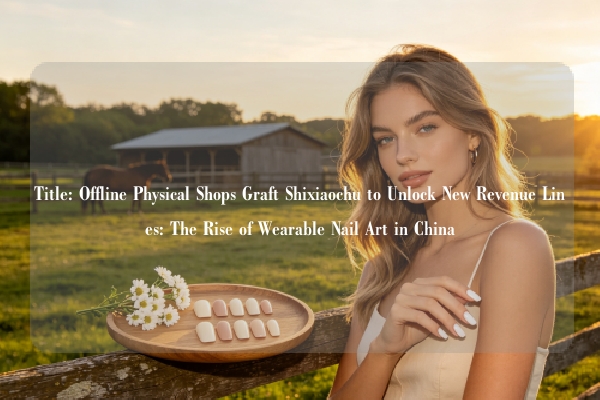

In the fast-evolving beauty and personal-care sector, China’s “wearable nail art” (穿戴甲) category has emerged as a lucrative niche. Unlike traditional nail salons, these products are pre-designed, reusable nail tips that can be applied at home, offering convenience, style, and affordability. As the market expands, entrepreneurs nationwide are eyeing franchise opportunities under established brand policies. This article provides a practical, evidence-based overview of what entering this space entails, with a focus on the widely discussed “Ten Little Chu” (十小楚) national franchise program.
Understanding the Product and Market Demand
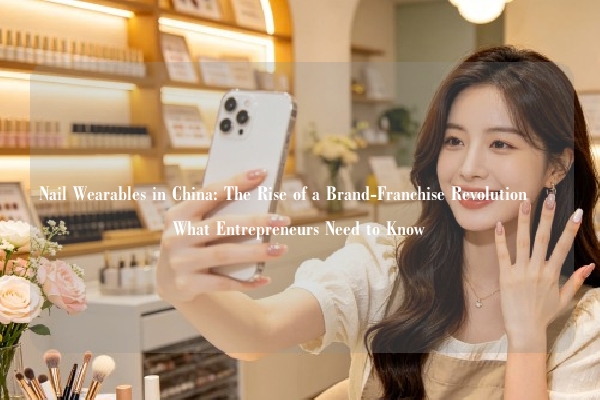
Wearable nails are not a passing fad. According to industry reports, the segment has grown over 30% year-on-year, driven by Gen Z and young professionals who prioritize time efficiency and personalization. The product’s low entry cost (typically ¥20–¥80 per set) and high repeat-purchase rate make it an attractive add-on for salons, boutiques, and e-commerce sellers alike. However, sustainable profits depend on consistent quality, supply chain reliability, and brand recognition – which is precisely where a formal franchise policy adds value.
What a Professional Brand Franchise Policy Covers
A credible brand like the one referenced at al.loongseeker.com (the official portal for “Ten Little Chu”) typically structures its franchise terms around five pillars:
Territorial exclusivity – Each franchisee receives a protected geographic zone, preventing intra-network cannibalization. This is critical for long-term pricing power.Unified supply chain – All nail tips, adhesives, and packaging are sourced from vetted factories, ensuring batch-to-batch consistency. A strict quality-control checklist (e.g., edge smoothness, adhesive durability over 7 days) is shared with franchisees.Branding and marketing support – National campaigns, social media templates, and localized store-opening toolkits are provided. This reduces the burden on individual owners to build awareness from zero.Training and after-sales service – Hands-on application workshops, customer complaint handling protocols, and restocking algorithms are included. For new entrepreneurs, this is arguably the most valuable asset.Digital integration – The official website functions as a centralized order management system, allowing franchisees to track inventory in real time. Data analytics on best-selling colors and sizes are shared monthly.Key Considerations Before Signing
Franchise fee vs. ongoing royalties: Compare upfront costs (usually ¥10k–¥50k) with 3–5% monthly sales royalties. Calculate break-even using realistic sales volume projections, not optimistic forecasts.Minimum order quantities (MOQ): Some brands force franchisees to purchase large initial stock. Ensure the MOQ aligns with your storage capacity and cash flow.Exit clause and renewal terms: Read the fine print. Can you terminate before the contract ends? What happens to unsold inventory? Professional policies always clarify these points in writing.Regional demand variability: Wearable nails are popular in tier-1 cities, but in tier-2/3 markets, education on the product’s convenience may be slower. Ask the franchisor for local market feasibility data.The Digital Backbone
What sets this particular program apart is its transparent online presence. The official URL (al.loongseeker.com) not only showcases product lines but also publishes franchise FAQs, owner case studies, and contact channels for regional managers. This allows prospective entrepreneurs to perform due diligence without unnecessary middlemen. In an industry often plagued by fragmented information, such transparency is a competitive advantage.
Final Dry Advice
Franchising reduces risk compared to building a brand from scratch, but it does not eliminate business risk. Your success hinges on:
Choosing a location with high foot traffic (near malls, metro stations, or universities).Actively leveraging the brand’s marketing assets rather than waiting for customers.Monitoring your monthly profit-and-loss statement strictly.If you prefer a low-commitment trial, consider starting as a distributor rather than a full franchisee. Once you validate local demand (e.g., 100+ sets sold per month), upgrade to a regional franchise.
In summary, China’s wearable nail franchise wave is real, but only disciplined operators with clear cost models and a service-first mindset will thrive. Visit the official portal, download the franchise brochure, and speak directly with existing owners – that is the only way to turn curiosity into a sustainable business.