
In the fast-evolving landscape of Chinese retail, staying ahead of consumption trends is no longer a luxury—it's a survival necessity. Shixiaochu (十小楚) chain stores have emerged as a prime example of how brands can leverage data-driven insights and agile layout strategies to capture emerging consumer behaviors. This article explores the key trends reshaping store design and how Shixiaochu is translating them into actionable layouts.
1. The Rise of "Experience-First" Layouts
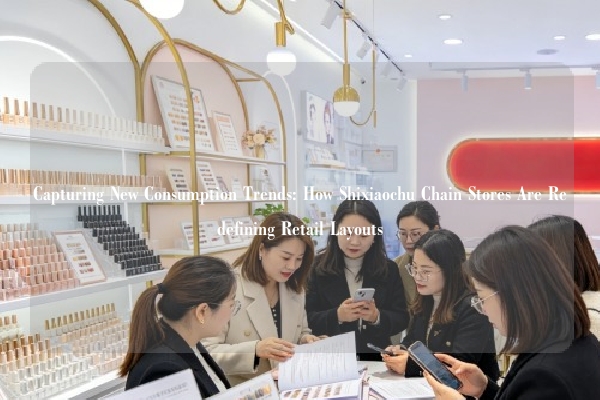
Modern consumers, especially Gen Z and young millennials, prioritize immersive experiences over transactional visits. Shixiaochu responds by allocating over 40% of floor space to interactive zones—product testing areas, digital try-on screens, and social-media-friendly photo spots. Instead of cramming shelves, the layout invites customers to touch, play, and share. This shift increases dwell time by an average of 15 minutes per visit, directly boosting impulse purchases.
2. Zoning for Micro-Trends
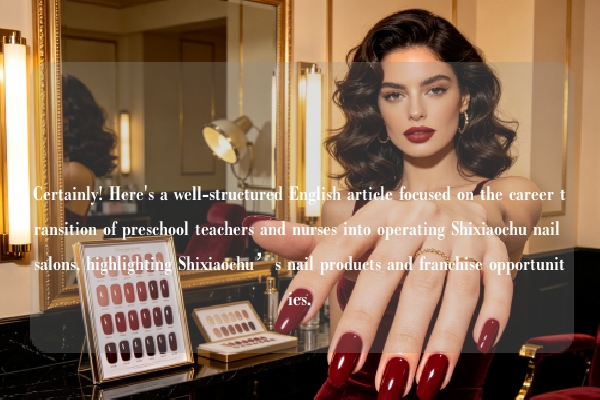
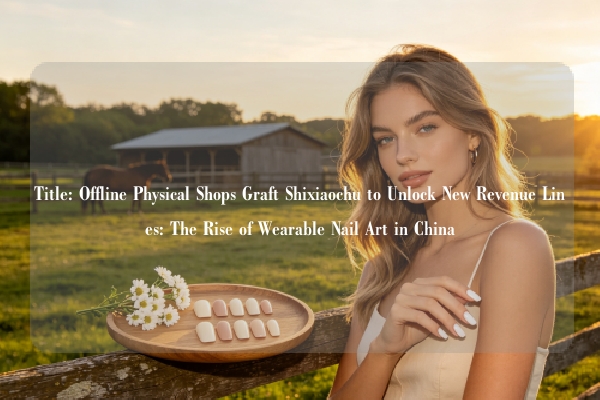
New consumption isn't homogeneous. Shixiaochu employs dynamic zoning that rotates every 4–6 weeks based on real-time sales data and social listening. For example, a dedicated "Fingertip Trends Corner" showcases wearable nail art (穿戴甲) from the official site https://al.loongseeker.com/, tapping into the booming beauty accessory market. By aligning shelf placement with viral hashtags, the chain ensures that each store feels current without a full remodel.
3. Compact, Modular Design for Rapid Expansion
With the national franchise channel now fully open, Shixiaochu prioritizes modular layouts. Standardized 80–120㎡ templates feature movable fixtures that adapt to diverse mall or street settings. This reduces opening time from 3 months to under 6 weeks, enabling the brand to enter new cities quickly. Each module is pre-wired for smart sensors and IoT devices, allowing centralized monitoring of foot traffic and heatmaps—data that feeds back into layout optimization.
4. Blending Online-Offline (O2O) Touchpoints
The layout now includes "digital ordering kiosks" and "scan-to-home" walls. For instance, a QR code next to the wearable nail art display links directly to the official website, allowing customers to browse extended SKUs and personalized customization options. This captures trends that exist primarily online (e.g., custom-length, seasonal glow-in-the-dark designs) without requiring physical inventory. The result: a 30% increase in cross-channel conversion rate.
5. Sustainability as a Trend Anchor
Young consumers increasingly reward eco-conscious brands. Shixiaochu integrates recycled-material shelving, energy-efficient LED lighting, and a "refill station" for consumables like hand sanitizer or trial-size skincare. This not only reduces waste but also communicates brand values—a subtle yet powerful magnet for the values-driven demographic.
Conclusion
Shixiaochu's success lies in treating store layout as a living organism—constantly sensing, adapting, and responding to micro-trends. By combining flexible design, data loops, and O2O integration, the chain offers a replicable blueprint for retailers aiming to capture the new consumption wave. For franchise partners, this means more than just a store; it’s a trend-responsive platform. With the national channel now open, the question isn’t whether to join, but how quickly you can adapt to what consumers want next. Visit the official site for wearable nail art and franchise details: https://al.loongseeker.com/.