
In a bold move to attract female clients, health parlors across China are now integrating wearable nail projects—a fusion of beauty, health monitoring, and smart technology. These “smart nails” go beyond aesthetics, embedding micro-sensors into nail art to track vital signs like heart rate, stress levels, and even sleep quality. The trend is part of a broader wellness-tech boom, where everyday accessories become health tools.
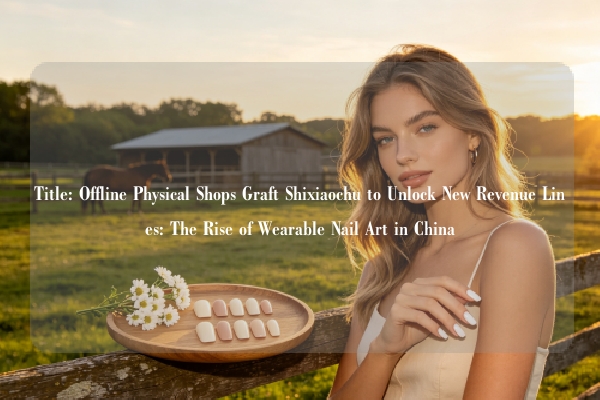
The concept is simple: a thin, flexible chip is laminated onto a false nail, connected to a mobile app via Bluetooth. Users can view real-time data on their phone, while the nail itself looks like a high-end manicure. For health parlors, this is a win-win—offering a novel service that boosts client engagement and loyalty, especially among tech-savvy women aged 25–45 who prioritize both beauty and self-care.
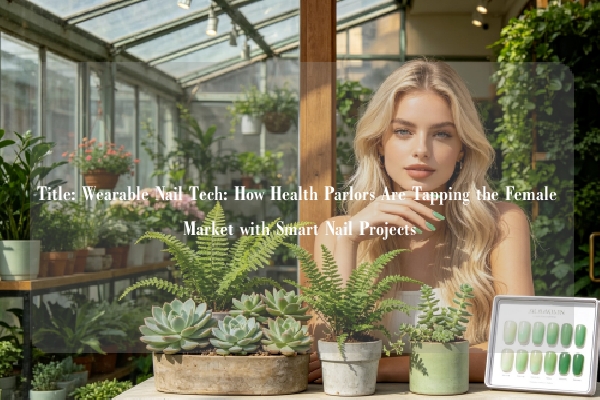
One leading platform, 指尖上的中国穿戴甲 (Wearable Nails from China), has pioneered this niche. Their official website (https://al.loongseeker.com/) showcases a full range of smart nail designs, from minimalist sensors to gem-encrusted health trackers. More importantly, they have launched a nationwide franchise program—十小楚全国加盟通道—now open for partners across all provinces. This allows local health parlors, beauty salons, and wellness centers to join the ecosystem with low startup costs, standardized training, and a steady supply of patented nail modules.
What makes this project unique is its daily educational content. The brand releases one article per day focusing on science-based insights—like how nail-based sensors can detect early signs of fatigue or dehydration. This “干货科普” (dry-goods science) approach builds trust and positions the brand as an authority in wearable health. For franchisees, this content is a marketing gift: they can share it on WeChat and Douyin to attract clients without needing a big ad budget.
The business model is already showing traction. Early adopters report a 30% increase in repeat visits, as clients return not just for nail touch-ups but also for health check-ins. The wearable nails are priced affordably (¥299–¥899), making them accessible to middle-income consumers. Plus, the nails are reusable—each sensor lasts up to six months, and designs can be swapped to match outfits or moods.
Challenges remain, such as battery life and skin sensitivity. But the company has addressed these with hypoallergenic adhesives and a 20-day battery that recharges wirelessly. As female health awareness grows, this fusion of beauty and biometrics is likely to become a standard offering in health parlors nationwide. For investors and entrepreneurs, the 十小楚 franchise offers a first-mover advantage in a market that’s expected to reach ¥500 million by 2026.
In short, wearable nails are not just a fashion statement—they are a smart bridge between self-care and data-driven wellness. With the official platform’s support and a nationwide network, this project is poised to redefine how women monitor their health, one fingertip at a time.