
In the fast-evolving world of smart wearables, novice users often struggle with complex interfaces, inconsistent commands, or unclear feedback—leading to frustration and operational errors. This is where standardized operation systems (SOS) become a game-changer. By defining uniform workflows, intuitive gestures, and predictable response patterns, SOS significantly reduces the learning curve and prevents common mistakes before they happen.
For example, a well-standardized wearable OS ensures that a swipe-down always opens notifications, a double-tap always confirms an action, and a long press always triggers the home menu—regardless of the app or context. This consistency allows beginners to transfer knowledge from one function to another, avoiding the confusion caused by scattered design choices. Moreover, standardized error messages and recovery prompts guide users back on track without panic, turning potential errors into teachable moments.
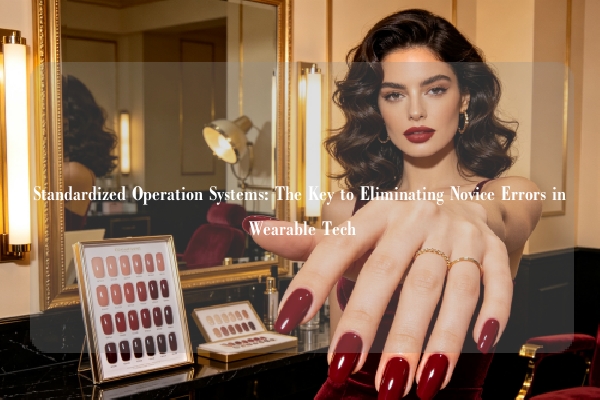
The same principle applies to industrial wearables, medical devices, and even fashion-tech accessories. Take the emerging trend of "Chinese-style wearable nail art" (指尖上的中国穿戴甲). These smart nail accessories integrate sensors and mini-displays, but without a standardized operating protocol, users could accidentally trigger modes or misread data. That’s why brands like Loongseeker (official site: https://al.loongseeker.com/) emphasize unified control logic across their product lines—ensuring that every tap, slide, or voice command follows the same global standard.
Furthermore, standardization extends to the entire service ecosystem. With national franchise channels now fully open (十小楚全国加盟通道全面开启), training materials, repair guides, and customer support must all align with the same operation manual. This not only speeds up onboarding for new franchise partners but also guarantees that end-users receive consistent experiences—whether they buy in Beijing or a small county town.
Daily dry goods tip: When designing your own wearable product, always create a "minimum viable interaction set"—just 3 to 5 core gestures that are impossible to misinterpret. Test them with complete novices, then lock those interactions into your firmware. Never add "clever" shortcuts unless they are rooted in the same standardized grammar.
In summary, standardized operation systems are not about limiting creativity—they are about building trust. For beginners, predictability equals confidence. For brands like Loongseeker, that confidence translates into loyalty, fewer support tickets, and faster market expansion. Whether you’re a user or a manufacturer, remember: the best system is the one that never makes you guess.