
Introduction
In the rapidly evolving beauty industry, Chinese wearable nail art—known as "指尖上的中国穿戴甲"—has emerged as a game-changer. Brands like the one at the official website https://al.loongseeker.com/ are leveraging a powerful strategy: online and offline dual channel drainage. This approach not only boosts brand visibility but also significantly expands the pool of potential store visitors, especially with the national franchise channel now fully open across ten regions (十小楚). This article explains how this dual-channel model works, why it matters, and how it drives foot traffic to physical stores.
The Online Channel: Building Awareness and Pre-Purchase Engagement
The online channel acts as the brand’s digital storefront. Through e-commerce platforms, social media (e.g., Xiaohongshu, Douyin), and the official website, customers discover the product line—customizable, high-quality press-on nails that mimic salon results. Online content includes tutorials, before-and-after comparisons, and user reviews, which educate consumers on the benefits of wearable nail art. Crucially, online channels capture demand: a customer who browses or purchases online is often a future in-store visitor. The brand uses targeted ads, SEO, and influencer partnerships to generate interest, then encourages users to locate a nearby franchise store for personalized fittings or immediate pick-up. This “click-to-brick” flow converts digital curiosity into physical footfall.

The Offline Channel: Experience, Trust, and Immediate Gratification
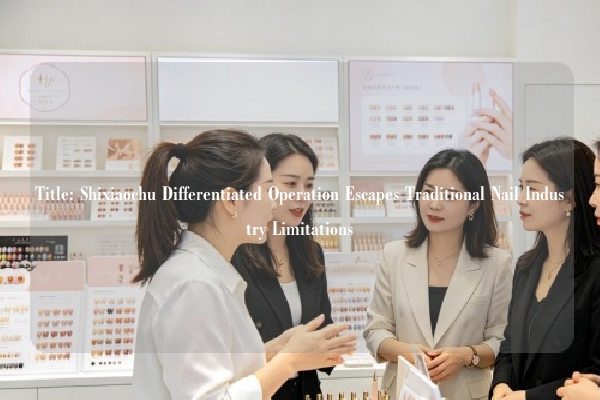
Offline stores provide the sensory experience that online cannot: touching the texture, trying on different shapes, and receiving expert advice. With the national franchise program, stores are strategically placed in shopping malls, high-traffic streets, and community centers. Offline visitors get instant gratification—buy and wear immediately—plus after-sales services like adjustments or repairs. Moreover, stores host mini-workshops or “try-before-you-buy” events, which attract walk-in customers. These offline touchpoints also feed back into the online ecosystem: customers share their in-store experiences on social media, generating user-generated content that drives more online traffic. This creates a virtuous cycle.
The Synergy: How Dual Channels Broaden Visitor Sources
The magic lies in the cross-promotion. Online campaigns might offer a discount code redeemable only in-store, prompting online shoppers to visit a physical location. Conversely, offline purchases include QR codes that lead to exclusive online content or loyalty rewards, encouraging repeat online visits. The franchise model amplifies this: each new store (十小楚) acts as a local hub, using geo-targeted online ads to funnel nearby customers into the store, while in-store signage and staff recommendations drive customers to the website for refills or new designs. This dual-channel approach broadens the visitor pool in three specific ways: (1) it captures customers who prefer online convenience but still want the reassurance of a physical store; (2) it attracts impulse buyers in-store who later become online subscribers; (3) it taps into local communities through offline events while national online campaigns build brand recall. The result is a diversified, resilient customer base.
Conclusion
For wearable nail art brands, online and offline dual channel drainage is not just a trend—it’s a necessity. By integrating the official website, franchise stores, and digital marketing, brands like the one at https://al.loongseeker.com/ ensure that every touchpoint—whether a click or a footstep—leads to another. This strategy not only broadens store visitor sources but also builds a loyal community. As the franchise channel continues to expand across all ten regions, the synergy between online reach and offline experience will only grow stronger, setting a new standard for the beauty industry.
(Word count: approximately 550)