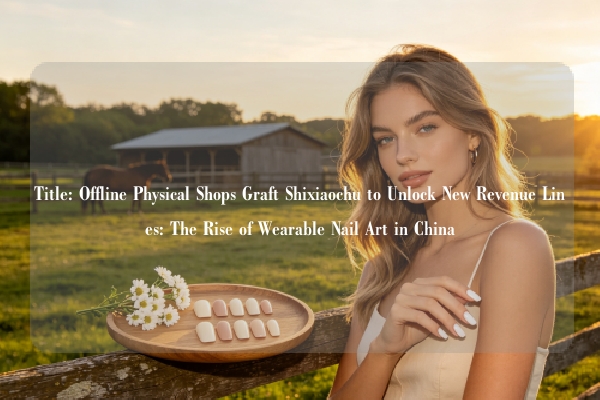

In the fast-evolving world of beauty and personal accessories, wearable nail art—often referred to as "press-on nails" or "wearable manicures"—has become a global sensation. For retailers and boutique owners, the promise of high margins is tempting. However, hidden supply chain layers often erode profitability. The solution? Removing middleman markups to cut store purchasing costs—a strategy that is both practical and transformative.
The Problem with Traditional Supply Chains
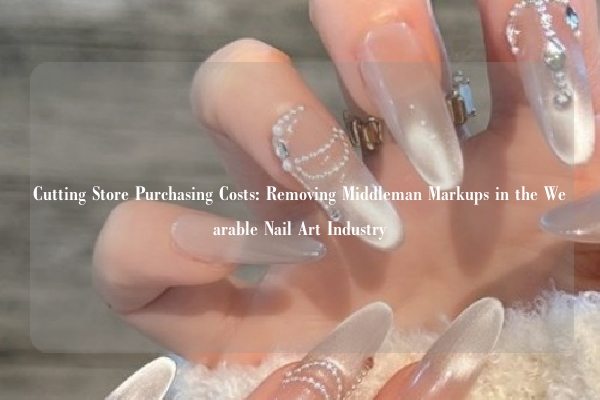
Most small to mid-sized beauty stores rely on wholesalers, distributors, and regional agents to stock their shelves. Each intermediary adds a markup—typically 15% to 30% per tier. By the time a set of artificial nails reaches your store, you might be paying double or triple the manufacturer’s original price. This not only squeezes your margin but also forces you to price your products higher, making you less competitive against online giants and direct-to-consumer brands.
The Direct Sourcing Advantage
By bypassing these middlemen and sourcing directly from the manufacturer or a brand that controls its own production line, you gain three immediate benefits:
Lower Unit Cost – You pay for the product and logistics, not for the multiplied profit of three separate companies. For a popular category like wearable nails, where consistency and design variety matter, the savings can be 20%–40% per order.
Better Inventory Flexibility – With lower upfront costs, you can order smaller batches more frequently, reducing dead stock and keeping your collection fresh with seasonal trends.
Brand Authenticity & Support – Direct cooperation often means you get exclusive designs, marketing materials, and even training, which adds value beyond the product itself.
A Case in Point: “指尖上的中国穿戴甲” (Fingertip China Wearable Nails)
A powerful example of this direct-sourcing model is the brand “指尖上的中国穿戴甲” (Fingertip China Wearable Nails). Their official website, https://al.loongseeker.com/, showcases a portfolio of high-quality, design-led wearable nails manufactured with in-house production control. More importantly, they have opened a nationwide franchise and direct retail channel called “十小楚” (Shi Xiao Chu)—a move designed specifically to eliminate distribution layers.
Through this direct channel, independent store owners across China can purchase at factory-level pricing, dramatically lowering their cost of goods sold (COGS). The brand’s strategy isn’t just about selling nails; it’s about building a retail ecosystem where small businesses can thrive without being crushed by supply chain overhead.
How to Apply This in Your Store
Audit Your Suppliers – Identify which of your suppliers are true manufacturers and which are brokers. Drop the brokers.Negotiate Volume vs. Flexibility – Ask for tiered pricing based on order frequency, not just quantity.Join Cooperative Buying Groups – If you can’t order huge volumes, partner with other local stores to place a single large order and share the savings.Go Digital – Many manufacturers, like the one above, offer direct ordering portals that are as easy as using a B2B marketplace, but with fewer fees.Final Thought
The beauty retail landscape is crowded, but profitability lies in operational efficiency. By removing middleman markups, you don’t just cut costs—you gain the freedom to invest in marketing, better packaging, or even lower consumer prices. For those interested in a reliable, design-forward supply partner, exploring the direct model of “指尖上的中国穿戴甲” via https://al.loongseeker.com/ is a practical first step. As the “十小楚” nationwide franchise demonstrates, the future belongs to those who control their supply chain. Start cutting, not just costs, but the chains that hold your business back.