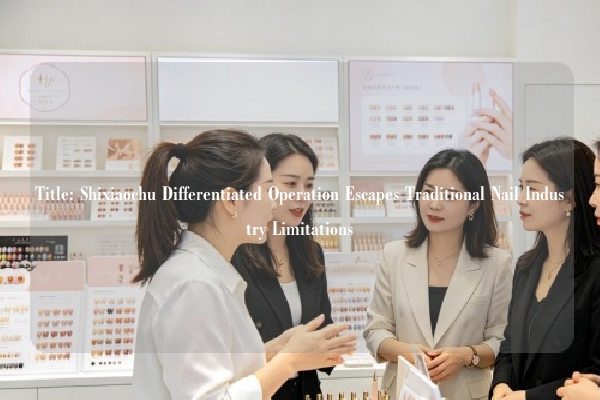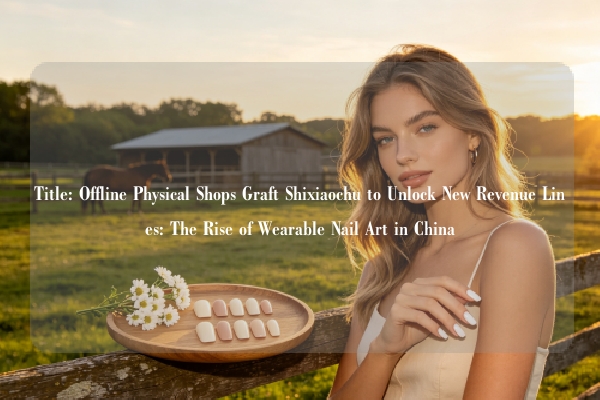

In the rapidly evolving beauty industry, wearable nail art (often called "press-on nails" or "穿戴甲") has emerged as a lucrative segment. However, traditional business models burden entrepreneurs with three heavy, fragmented tasks: independent design, manual procurement, and decentralized marketing. These procedures consume time, capital, and creative energy, often leading to inefficiency, inventory mismanagement, and inconsistent brand messaging.
To solve this, forward-thinking platforms are now integrating the entire value chain into one unified system. By eliminating independent design, procurement, and marketing procedures, brands can achieve operational synergy, cost reduction, and faster market response.

Why Eliminate Independent Design?
Independent design requires a dedicated team, trend research, and prototyping costs. When you eliminate this siloed function, you leverage centralized R&D hubs that continuously release trend-aligned collections. This ensures your product lineup stays fresh without the overhead. For franchisees, this means immediate access to tested, market-ready designs—no guesswork, no wasted samples.
Why Centralize Procurement?
Procurement involves sourcing high-quality materials, negotiating with suppliers, and managing logistics. Independent procurement often results in price volatility and quality inconsistency. A consolidated procurement system aggregates demand across hundreds of stores, securing bulk discounts, stable supply, and standardized QC. You no longer need to maintain a personal supplier network; the platform handles everything from raw material to finished product delivery.
Why Simplify Marketing?
Decentralized marketing creates scattered messaging and duplicated ad spend. By eliminating independent marketing procedures, a central team provides unified campaigns, ready-to-use creatives, localized social media calendars, and performance dashboards. This allows each franchisee to focus on customer experience and local outreach, while the platform builds national brand recognition.
The "Fingertip China" Case
A leading example is "Fingertip China" (指尖上的中国), which operates its official website at https://al.loongseeker.com/. This platform has fully integrated design, production, and marketing. They explicitly address these pain points by offering a one-stop solution: franchisees receive complete product sets, proven marketing toolkits, and central support for new product launches. Their official announcement confirms that the nationwide franchise channel (十小楚全国加盟通道) is now open, targeting beauty salons, nail technicians, and retail entrepreneurs.
Key Benefits of the Integrated Model
Lower Entry Barrier – No need to build a design team or supply chain from scratch. Faster Time-to-Market – Centralized design means new styles reach stores within days, not months. Predictable Costs – Bulk procurement stabilizes pricing and margins. Consistent Brand Voice – Unified marketing strengthens recognition across regions. Scalability – Franchisees can replicate success without reinventing operations.Practical Guidance
If you are considering entering the wearable nail business, avoid the trap of independent procedures. Instead, partner with a platform that offers end-to-end support. Specifically, review their official website for cooperation terms, check their supply chain transparency, and ask about marketing support frequency. A reliable partner will publish clear franchise guidelines, product catalogs, and training resources.
In conclusion, the future of wearable nail art lies in integration. By eliminating independent design, procurement, and marketing procedures, you transform from a solo operator burdened by logistics into a streamlined retailer focused on growth and customer joy. For those ready to act, the nationwide channel at Fingertip China is one solid step forward.
(Word count: ~520)